
Las Vegas Mood Disorder Therapy
Mood disorders can have a powerful effect on nearly every aspect of a person’s life. In a general sense, these conditions involve significant disturbances in mood that go beyond normal ups and downs. They affect emotional stability, energy, motivation, sleep, relationships, and daily functioning. For some people, the struggle takes the form of persistent sadness, hopelessness, and loss of interest. For others, it may involve dramatic shifts between depression and elevated or irritable mood states that disrupt work, family life, and decision making. Loved ones are often deeply affected as well, because it can be painful and confusing to watch someone they care about withdraw, lose confidence, act impulsively, or become overwhelmed by symptoms they cannot simply will away.
The good news is that treatment options are available to help with mood disorders, and meaningful improvement is possible with the right support. Delve Psychiatry is a behavioral health practice widely known for its mood disorder therapy near Las Vegas, Nevada. Our team offers compassionate, individualized care and a full range of evidence based treatment options designed to help patients regain stability and improve quality of life.
Contact us today to schedule an appointment and start your journey toward better mental health.
For all new + existing patients please fill out our intake form or call us today at:
call 702.897.7250
Mood disorders are mental health conditions that primarily affect emotional regulation and the ability to maintain a stable mood over time. They can influence how a person feels, thinks, behaves, and relates to other people. In many cases, these disorders affect more than mood alone. They can interfere with concentration, memory, motivation, sleep, appetite, energy, work performance, social engagement, and overall physical health. Because mood disorders often develop through a combination of biological, psychological, environmental, and sometimes medical factors, effective treatment usually requires a thoughtful and individualized approach rather than a narrow or one dimensional solution.
Major Depressive Disorder (MDD)
Major Depressive Disorder (MDD) is one of the most common and serious mood disorders. It is characterized by ongoing sadness, hopelessness, emotional numbness, or loss of interest in activities that once brought enjoyment. Many people with MDD also struggle with fatigue, guilt, sleep disruption, appetite changes, difficulty concentrating, and a reduced ability to manage everyday responsibilities.
Depression can strain marriages, friendships, parenting, and work life, and it often leaves loved ones feeling unsure of how to help. MDD may be influenced by a number of factors, including genetics, stressful life events, biological changes involving neurotransmitters, medical conditions, and psychological patterns such as self criticism or low self esteem. Because this condition can take such a broad toll, Las Vegas mood disorder treatment should address both symptom relief and the deeper patterns contributing to distress.
Bipolar Disorder
Bipolar disorder is another major mood disorder that can have a profound impact on a person’s life. It involves episodes of depression along with episodes of mania or hypomania. During manic or hypomanic periods, a person may experience racing thoughts, rapid speech, decreased need for sleep, elevated or irritable mood, increased energy, impulsive behavior, and poor judgment. During depressive episodes, they may feel hopeless, exhausted, withdrawn, and unable to function effectively.
These shifts can significantly affect relationships, finances, work, school, and personal safety. The unpredictability of bipolar disorder can also be distressing for loved ones, who may find it difficult to understand why a person seems so different from one period to the next. Professional evaluation and ongoing treatment are especially important because bipolar disorder often overlaps with other conditions and may go undiagnosed for long periods if symptoms are mistaken for depression alone or another mental health issue.
Substance Related Mood Disorders
Mood symptoms can also be connected to substance use. In some cases, alcohol or drug use may trigger or worsen mood instability, depression, irritability, anxiety, or emotional dysregulation. A person may begin using substances in an attempt to manage difficult emotions, only to find that the substance use intensifies the problem over time. This can make diagnosis and treatment more complicated because mood symptoms and substance use often reinforce one another. When substance related mood disorders are present, effective care needs to consider both the emotional symptoms and the substance use patterns influencing them.
Mood Disorders Pertaining to Other Medical Conditions
Some mood disturbances are also linked to underlying medical conditions. Changes in hormones, chronic pain, thyroid issues, neurological problems, autoimmune conditions, and other health concerns can affect mood and contribute to depression like symptoms or instability in emotional functioning. In these cases, proper evaluation matters because treatment should consider both mental health and physical health factors. A mood disorder tied to another medical condition should not be dismissed as simply emotional weakness or stress. It still deserves professional care and a well coordinated treatment approach.
Coexisting Conditions
Many people with mood disorders also have coexisting conditions. Depression may occur alongside anxiety. Bipolar disorder may overlap with substance use concerns, ADHD, or trauma related symptoms. These combinations can increase symptom severity, reduce quality of life, and complicate treatment if only one part of the picture is addressed.
Some conditions share underlying risk factors such as trauma, genetics, environmental stress, or neurobiological vulnerabilities. In other cases, one condition may increase the likelihood of another developing over time. Delve recognizes that coexisting conditions require careful diagnosis, coordination, and individualized planning so that treatment addresses the full scope of what the patient is experiencing.
Treatments for Mood Disorders Las Vegas, NV
Las Vegas Mood Disorder Therapists & Psychiatrists
At Delve Psychiatry, our mood disorder therapists and psychiatrists near Las Vegas understand that mood disorders can present differently from one person to another. As such, the treatment should reflect that reality. Some patients need psychotherapy to better understand emotional patterns and develop coping skills.
Others need psychiatric medications to support mood stability. Some benefit from a combination of both, while others whose symptoms have not improved enough through first line methods may need advanced therapies such as TMS or ketamine. Our behavioral health practice offers therapies tailored to each individual’s needs, treatment history, and goals.

Psychotherapy
Psychotherapy gives patients a structured and supportive space to explore thoughts, emotions, behaviors, relationships, and life experiences that may be contributing to mood instability or emotional pain. For depression and bipolar disorder alike, therapy can help patients recognize patterns, improve communication, strengthen coping strategies, and build healthier ways of responding to stress.
Approaches such as cognitive behavioral therapy and interpersonal therapy can be especially helpful for identifying negative thought patterns, managing emotional reactivity, and improving day to day functioning. At Delve Psychiatry, psychotherapy is collaborative and personalized, with treatment plans designed around the individual rather than a generic formula.
Psychiatry (Medication Management)
Medication management is often an essential part of mood disorder treatment. For patients with depression, medications may help reduce low mood, hopelessness, irritability, anxiety, and sleep disturbance. For patients with bipolar disorder, medication may help regulate mood swings and reduce the risk of severe depressive or manic episodes.
At Delve Psychiatry, medication management begins with a careful evaluation and continues through regular monitoring, education, collaboration, and adjustment as needed. Because people respond differently to psychiatric medications, follow-up care is critical for assessing effectiveness, managing side effects, and ensuring that treatment remains aligned with the patient’s symptoms and goals.
Transcranial Magnetic Stimulation (TMS) Therapy
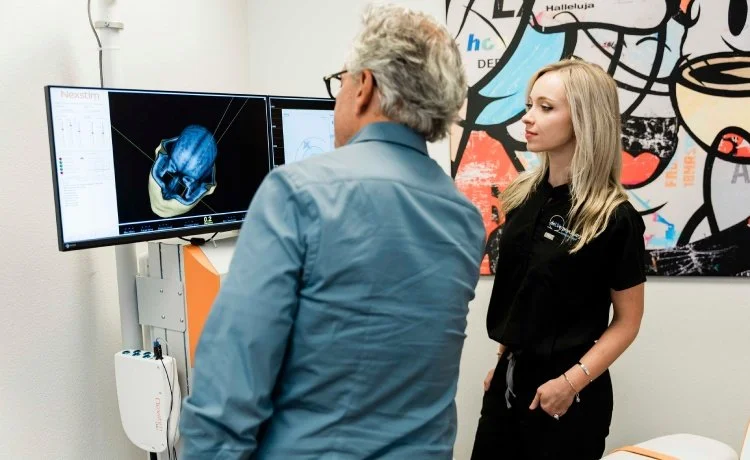
For some individuals with mood disorders, especially those struggling with depression that have not responded sufficiently to psychotherapy and medication management, TMS therapy can be a valuable next step. Transcranial Magnetic Stimulation is a noninvasive and medication free treatment that uses magnetic pulses to stimulate targeted areas of the brain associated with mood regulation.
TMS therapy at Delve is highly personalized and may be guided by advanced functional MRI based targeting to improve precision. Patients remain awake during sessions, there is no recovery period required, and treatment can often be integrated into a broader mental health plan. This option can be especially meaningful for individuals who want an evidence based alternative after limited success with conventional approaches.
Ketamine Infusion Therapy
Ketamine infusion therapy is another advanced treatment option offered at Delve for certain patients with mood disorders, particularly those dealing with treatment resistant depression or severe depressive symptoms that have not improved enough through first line care. Ketamine works differently from many traditional antidepressants by acting on the brain’s glutamate system, which is involved in mood regulation and neural connectivity.
It may support neuroplasticity and in some cases can provide symptom relief more quickly than standard antidepressants. At our practice, ketamine is administered through slow intravenous infusion in a monitored setting, with attention to comfort, safety, and individualized dosing. For some patients, this can open the door to meaningful progress when other options have fallen short.
Comprehensive Care for Patients with Mood Disorders

People choose Delve Psychiatry for Las Vegas mood disorder therapies because our practice brings together comprehensive care, advanced treatment options, compassion, and individualized planning. Mood disorders can be complex and deeply disruptive, and we believe patients deserve a thoughtful process that takes their full history and current needs into account.
Whether someone needs psychotherapy, medication management, TMS, ketamine, or a coordinated combination of services, Delve provides care that is personalized rather than one size fits all. Our team is committed to helping patients understand their options, feel supported in the process, and move toward greater stability over time.
Access to care is another important reason patients choose Delve. We accept a range of insurance plans for psychotherapy, medication management, and TMS therapy, including TRICARE. This helps make high quality mood disorder care more attainable for individuals, military families, veterans, and others seeking support in the area. At this time, ketamine infusion therapy is not covered by insurance, but our team provides transparent information so patients can understand costs and available options before moving forward.
Contact Our Behavioral Health Practice for Mood Disorder Therapies near Las Vegas, Nevada
Delve Psychiatry is a top provider of treatments for mood disorders near Las Vegas, Nevada. We are proud to offer compassionate and comprehensive care for individuals seeking help with depression, bipolar disorder, coexisting conditions, and other mood related challenges. Through psychotherapy, medication management, TMS therapy, and ketamine infusion therapy, our practice provides a full continuum of care designed around the individual rather than a narrow treatment model.
With experienced providers, evidence based treatment options, acceptance of a range of insurances including TRICARE, and a strong commitment to personalized support, Delve is here to help patients move toward greater balance, improved functioning, and a better quality of life. If you or someone you love is struggling with a mood disorder, call our office at (702) 897-7250 or request an appointment online for assistance.