
Treatment-Resistant Depression Therapy near Henderson NV

Depression, also known as Major Depressive Disorder (MDD), is far more complex than feeling down for a few days. It can become a heavy, persistent illness that impacts how a person thinks, feels, and functions. In turn, this often negatively affects relationships, hinders work performance, worsens physical health, and generally reduces the ability to enjoy all that life has to offer. Many people struggling with depression experience a slew of symptoms including ongoing sadness or emptiness, loss of interest in once enjoyable activities, low energy, disrupted sleep, appetite changes, difficulty concentrating, and crushing feelings of guilt or hopelessness.
Loved ones are often affected too. This is because depression can change communication, limit connection, and make even simple daily routines feel overwhelming. When this condition lingers and begins to shape a person’s identity and everyday life, professional support becomes essential.
While psychotherapy and psychiatric medications help many people, there is a significant group of individuals who do not get the relief they need through these traditional approaches. Some try multiple antidepressants, adjust doses, switch medication types, and stay consistent with therapy, yet still feel stuck in the same cycle. Others simply cannot tolerate medication related side effects such as fatigue, weight changes, or sleep disruption, which can make it harder to stay properly engaged in treatment.
When depression continues despite appropriate care, it can feel discouraging. However, that does not mean improvement is out of reach. Delve Psychiatry is known as a leading provider of treatment-resistant depression therapy near Henderson, Nevada. Our compassionate team is here to help you with alternative treatment options that can truly make a huge difference.
Contact us today to schedule an appointment and start your journey toward better mental health.
For all new + existing patients please fill out our intake form or call us today at:
call 702.897.7250
Treatment-Resistant Depression Therapies Near Me
Major Depressive Disorder can look different from person to person, but it often affects both emotional and physical wellbeing. Some individuals experience persistent low mood, irritability, or a sense of numbness, while others notice slowed thinking, decreased motivation, and trouble making decisions. Concentration and memory can suffer, and many people find it difficult to keep up with responsibilities or maintain social connections.
Depression can also show up through the body, including changes in sleep patterns such as insomnia, ongoing fatigue, and physical discomfort or pain that worsens when mood declines. Because this disease can touch nearly every part of daily life, effective care usually requires a thoughtful and individualized approach rather than a one size fits all plan.
Factors that Contribute to the Development of Depression
There are several factors that can contribute to why someone develops Major Depressive Disorder. Genetics can play a role, and individuals with a family history of depression often have a higher likelihood of experiencing it themselves. Environmental stressors are also common contributors, including trauma, loss of a loved one, financial strain, relationship difficulties, and chronic stress at work or at home.
Biological factors can include imbalances in neurotransmitters such as serotonin, norepinephrine, and dopamine, as well as hormonal changes, differences in brain structure or function, and medical conditions that influence mood. Psychological factors like negative thinking patterns, perfectionism, unresolved emotional conflicts, and low self esteem can also reinforce symptoms and make recovery more challenging without targeted support.
Traditional Depression Treatments can Fall Short
Traditional depression treatment often includes psychotherapy, medication management, or a combination of both. Therapy approaches like cognitive behavioral therapy (CBT) and interpersonal therapy can help patients identify unhelpful thought patterns, strengthen coping skills, and address the emotional experiences that keep depression entrenched. Medication management can support symptom stabilization by targeting brain chemistry. Treatment may involve SSRIs, SNRIs, or other medication classes depending on a person’s history and response.
Even with careful prescribing and monitoring, some people experience side effects that disrupt quality of life, and others simply do not get meaningful improvement after trying multiple approaches. When these conventional options fall short, the depression may be considered treatment resistant depression, often referred to as TRD.
Treatment resistant depression typically means a person has tried one or more appropriate treatments, often including antidepressants and psychotherapy, without achieving significant symptom relief. The longer symptoms persist, the greater the risk that depression will affect long term health, relationships, and daily functioning. People with TRD often feel like they have already done everything they were told to do, yet they are still struggling.
This is where Henderson treatment-resistant depression therapy can be life changing. At Delve Psychiatry, patients can access advanced care for TRD, including Transcranial Magnetic Stimulation (TMS) therapy and Ketamine Infusion Therapy, both designed to help individuals who have not responded well to standard approaches.
Henderson Therapy Options for TRD
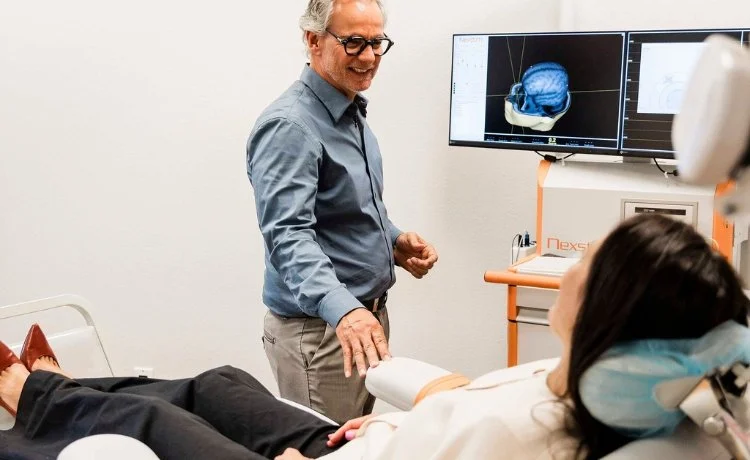
Transcranial Magnetic Stimulation (TMS) for TRD Relief
Transcranial Magnetic Stimulation, commonly called TMS, is a noninvasive and medication free option that uses a magnetic field to stimulate specific areas of the brain associated with mood regulation. During this therapy for treatment-resistant depression near Henderson, the patient sits in a specially designed chair while a small electromagnetic coil is positioned near the scalp.
The device delivers gentle, repetitive magnetic pulses to targeted brain regions that may be underactive in depression. These pulses influence neural circuitry and communication pathways linked to mood, which can reduce symptoms over time. TMS does not require sedation, and most patients are able to return to normal daily activities immediately after each session.
At Delve Psychiatry, every TMS consultation begins with a thorough evaluation, including medical history review and discussion of prior depression treatments, so the care plan is truly individualized. A typical course of care often spans several weeks, and each session generally lasts under 30 minutes, with many treatment plans involving a structured series of sessions followed by a taper period.
Combining TMS with Functional MRIs Provides a More Precise Approach
For added precision, Delve Psychiatry uses advanced technology that can combine functional MRI (fMRI) with TMS, allowing our team to map brain activity and improve targeting and overall efficacy. This type of personalized approach can be especially meaningful for patients who have felt like traditional treatments did not address the core neurobiological aspects of their depression.
Ketamine Infusion Therapy is Beneficial for Treatment-Resistant Depression
Another highly promising Henderson therapy option for treatment resistant depression is Ketamine Infusion Therapy. Ketamine treatment works differently than many traditional antidepressants. Instead of primarily focusing on serotonin or dopamine, it targets the brain’s glutamate system, which plays a central role in mood regulation and the formation of neural connections.
By influencing glutamate pathways, ketamine may support neuroplasticity, meaning the brain’s ability to form new connections and develop healthier patterns over time. One reason ketamine has become such an important option for TRD is that some patients experience relief more quickly than with standard antidepressants, sometimes within hours or days rather than weeks.
The Ketamine Treatment Process and Experience
Delve Psychiatry provides ketamine through a slow intravenous infusion that is carefully monitored for safety and comfort. Sessions typically last around one hour, and patients relax in a calm setting while the team tracks vital signs and overall response throughout the process. Experiences can vary, but some individuals describe a sense of emotional clarity or calm, and the mild dissociative effects tend to be temporary.
Many treatment plans begin with a structured series of sessions over a few weeks, allowing each infusion to build on the last. Delve Psychiatry emphasizes personalization here as well, adjusting dosing thoughtfully based on factors such as metabolism, medications, and medical history.
Treatments for Persistent Depression near Henderson, Nevada

When you are exploring options for treatment-resistant depression, it is not only about which treatments are available. It is also about who is providing them, and how thoroughly the process is handled. Delve Psychiatry is led by Dr John Reitano, a board certified psychiatrist with decades of experience treating mood disorders and other complex conditions. Our behavioral health practice as a whole is known for combining compassion with advanced, evidence informed care. Patients often choose Delve because the approach is comprehensive and individualized, with an emphasis on education, transparency, and ongoing support throughout treatment.
Accessibility as a Priority
Accessibility matters when someone is struggling with depression, especially when symptoms make it harder to manage logistics, paperwork, and follow through. Delve Psychiatry accepts a wide variety of insurance plans for many services, and TMS is covered by most insurance plans, including Medicare and Tricare. This can make this Henderson persistent depression treatment option more attainable for many individuals. Ketamine Infusion Therapy is not currently covered by insurance, but the Delve team focuses on clear communication around cost and helps patients understand their options so they can make informed decisions without added stress.
Henderson Behavioral Care for Ongoing Depression
While treatment-resistant depression can feel isolating, it is important to remember that struggling with TRD does not mean you are out of options. With the right approach, many people begin to experience meaningful change, whether that is improved mood, better motivation, clearer thinking, healthier sleep, or a renewed ability to engage with life. Delve Psychiatry brings together psychotherapy support, medication management when appropriate, and advanced treatment options like TMS Therapy and Ketamine Infusion Therapy, so care can be aligned to the individual rather than forced into a narrow pathway.
Delve Psychiatry is well known for its treatment-resistant depression therapy near Henderson, Nevada, and the team is ready to help you explore what recovery can look like with the right tools and support. If you or someone you love is searching for answers after conventional depression treatment has not provided adequate relief, we encourage you to call Delve Psychiatry at (702) 897 7250 or request an appointment online. Taking the first step can be difficult, but it can also be the start of something genuinely life changing.